Scopely VP on Monopoly Go's community design
Scopely's Beth Nations outlines five design principles for build lasting player communities, drawn from the success of Monopoly Go, emphasizing purposeful
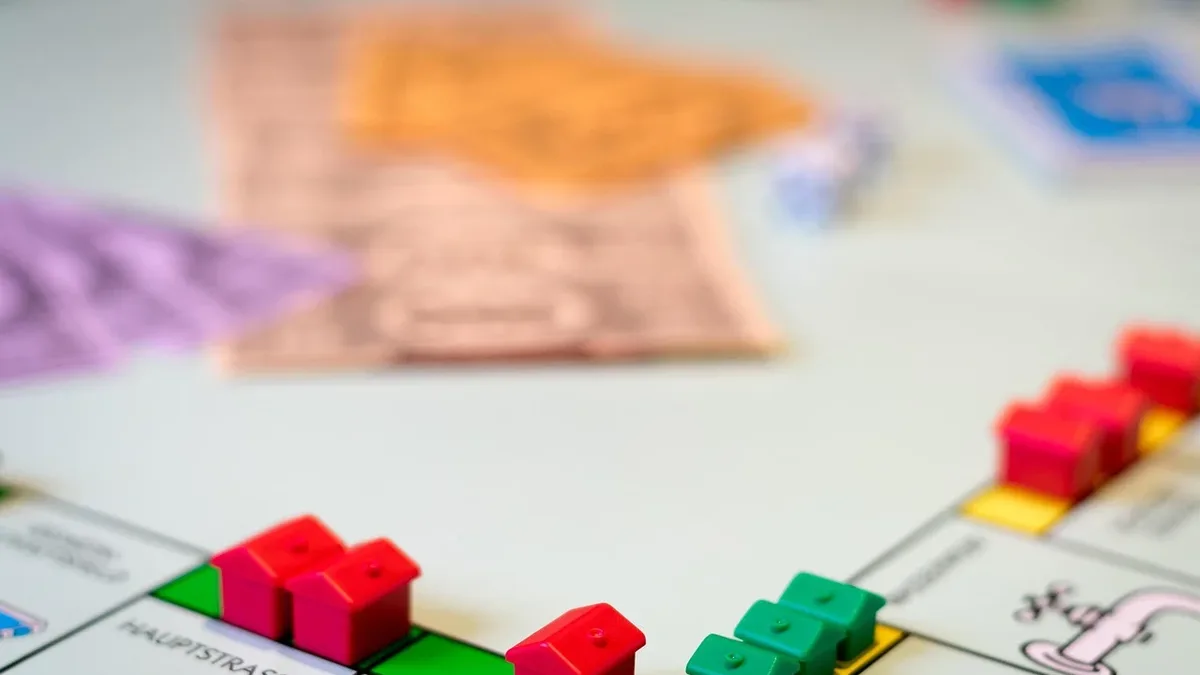
Scopely's vice president and general manager of direct to consumer, Beth Nations, has detailed the community-building lessons learned from the hit mobile game Monopoly Go. The game's success is attributed to design that creates meaningful reasons for players to interact, moving beyond simple communication features to embed social mechanics at the core of the experience.
Social interaction needs a gameplay purpose
According to Nations, adding chat or friends lists does not automatically make a game social. Players need a concrete reason to use those tools. In Monopoly Go, the sticker trading system provides this purpose. Players collect stickers to complete albums but often need specific ones held by others. Duplicate stickers become a currency for exchange.
This structure creates overlapping motivations. A player has something another needs. Helping has visible value. Reciprocity is likely. Completing a set becomes a shared achievement. "The sticker itself is only one part of the system," Nations notes. The relationship forged by the exchange is what build connection. Design must focus on mutual utility, asking what players can do for one another, whether sharing resources or contributing to common goals.
Bite-sized interactions build lasting connections
Nations states that many players maintain relationships through small, frequent interactions. Contributing to a partner event, opening a community chest, or sending a congratulatory emoji can be enough. These sessions need not be long or complex, but they must create an action worth sharing.
Scopely has observed siblings trading across countries, coworkers coordinating during breaks, and couples playing together at day's end. Parents and adult children use it as a touchpoint. These brief interactions create a dependable reason to connect, weaving the game into daily rituals.
Reciprocity is stronger than visibility
Many social platforms are built on visibility-posting content and counting reactions. Games can create a different structure, Nations argues. They should ask, "What did we accomplish together?" or "How did another player affect my experience?"
Reciprocity makes interactions feel consequential. One player sends a sticker, another responds. One contributes to a goal, a teammate advances it. The exchange need not be perfectly balanced. Experienced players may help newcomers. What matters is that players can see how they are helping each other.
Friendly friction can strengthen connection
Community design is not limited to cooperation. Competition, surprise, and friendly rivalry can create memorable interactions when stakes and tone are appropriate. In Monopoly Go, players can help each other and also interfere-sabotaging properties or robbing banks.
"A friend can provide a sticker you need and then knock down your property or rob your bank when you least expect it," Nations writes. These moments work because the competitive action is fun, temporary, and occurs within a shared context both players understand.
Growing communities may need more tools
As communities expand, players often seek external communication channels. This behavior is useful feedback, indicating unmet needs. In direct response to player feedback, Scopely developed the standalone Monopoly Go Chat app. Chat was the community's most requested feature.
Player adoption exceeded expectations. Shortly after its March 2026 launch, the app became the most-downloaded free app in the US, Canada, France, Germany, the UK, and Italy. Nations emphasizes the significance: players are not only seeking another chat app. The communication is tied to specific in-game activities and relationships. Players use it to discuss trades, strategize for team events, and deepen connections sparked within the game.
Building an evergreen experience, Nations concludes, requires continually asking what players can do for, with, and because of one another. The best answers give players shared activities and more reasons to return to both the game and the people they play with.