OpenAI CEO Criticizes Consumer RAM as AI Strains Supply
OpenAI CEO Sam Altman argues consumer RAM in PCs is inefficient and 'terrible' for global resource allocation.
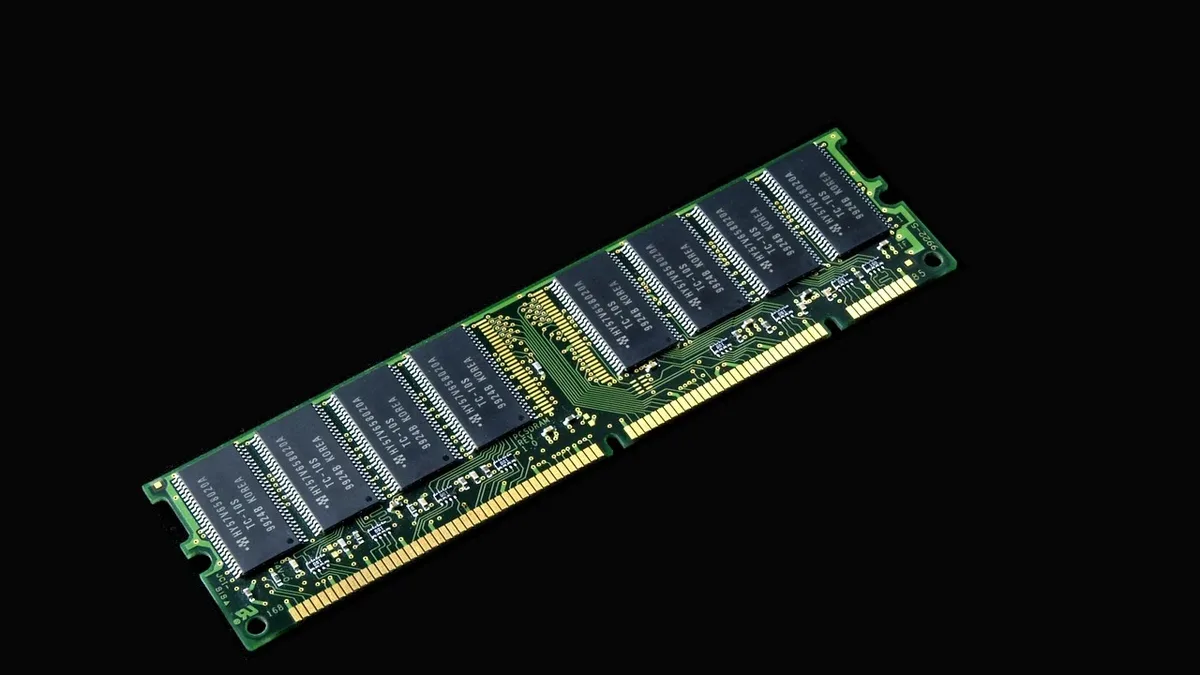
OpenAI CEO Sam Altman has criticized the widespread use of RAM in personal computers, calling it inefficient amid a global AI-driven DRAM shortage. Altman argues that the limited global supply of memory is poorly allocated when stored in consumer devices used only around 5% of the time, instead of being maximized in cloud data centers.
Sam Altman, the director ejecutivo of OpenAI, stated that having DRAM in personal computers is 'terrible' for global allocation. He considers it 'public greed' and believes the 'invisible hand' of the market is failing because not all memory wafers are reaching data centers. Altman's position is that memory working 24 hours on AI in the cloud is inherently more valuable than RAM used intermittently for gaming, spreadsheets, or web browsing. He suggested that people's intuition about the value of local computing is the opposite of what is needed for global efficiency. "Y, de alguna manera, la intuicion de mucha gente es justo lo contrario," Altman said.
OpenAI's business model, which focuses on closed models running in data centers, benefits from this shift. The company supports some open-source models but relies primarily on subscription-based remote access. Altman views locally-run AI models as an issue for the memory supply chain and argues that open-source approaches will not solve the underlying need for DRAM in personal devices.
AI Demand Drives DRAM Scarcity and Price Spikes
The AI industry's massive memory requirements are causing global DRAM shortages, leading to price increases and reduced availability for gaming hardware. Memory prices have skyrocketed over the past year to support datacentre demands. This scarcity is driving up costs for consumers.
All gaming PCs have seen price increases this year due to rising RAM costs. The situation is also impacting consoles; the price of a used PS5 Pro spiked to $1,399 this month following an official price hike in March attributed to RAM scarcity. GPU availability is suffering, with the Nvidia RTX 5080 disappearing from the market weeks after the RTX 5090 became nearly impossible to produce. According to the latest Samsung earnings conference, the memory RAM situation will not improve next year.
Industry Responses to Memory Constraints
Major memory producers and AI firms are reshaping the supply chain in response to these constraints. Micron has announced its departure from consumer memory production to focus on meeting AI datacentre demand. Meanwhile, OpenAI is reportedly allowed to buy up to 40% of the global DRAM output and is designing its own custom AI processor named Jalapeno to secure its needs.
This centralized approach has drawn scrutiny. Industry analysts question Altman's assumptions about data center construction and the valuation of memory. There is growing concern among technology enthusiasts about the potential loss of personal hardware ownership, with users possibly forced to rent assistants and cloud computers via monthly subscriptions instead of owning their devices. The tension lies between large companies seeking to maximize cloud hardware utilization and users defending ownership of their technology. Altman has claimed that AI will create innovations as important as the transistor or discover major efficiency gains, but for now, the debate centers on who controls the foundational hardware.