Six Iconic Consoles That Defined Generations
IGN Latin America lists six consoles that changed gaming, from the NES's revival to the Xbox 360's online multiplayer.
Six video game consoles not only dominated the market but also transformed the industry and pop culture forever. The report, timed for Gamer Day, examines platforms that redefined the medium's language, popularized genres, and marked generations of players.
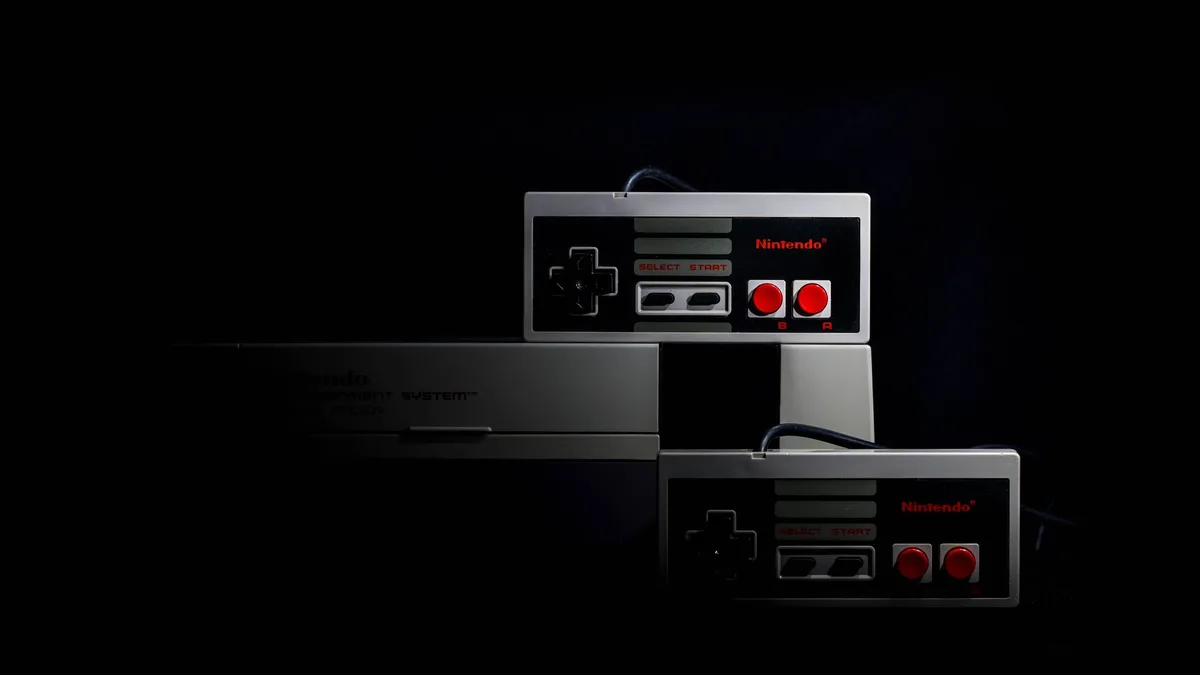
NES: The Industry's Rebirth
Following the video game crash of 1983, the Nintendo Entertainment System (NES) restored public and distributor confidence. It introduced the directional cross pad (D-pad) as a control standard. The 8-bit console served as the cradle for key franchises like Super Mario Bros., The Legend of Zelda, and Metroid, laying the groundwork for modern platformer design.
Nintendo's console also established the third-party licensing business model and the Seal of Quality. This strategy regulated software quality on the market. It proved to the industry that home consoles could offer extensive, complex, and profitable long-term experiences.
SNES: The Peak of 16-Bit
The Super Nintendo Entertainment System (SNES) elevated video games to an unprecedented artistic and industrial standard. It popularized the top shoulder buttons (L and R) on its controller, which became the norm for future controls. The console revolutionized technical aspects with its Mode 7 chip, enabling pseudo-3D effects and graphical rotation previously unseen in home systems.
It was the undisputed home of the golden age of pixel art. Influential titles like Super Mario World, Chrono Trigger, Super Metroid, and Donkey Kong Country were born there. Its balance of narrative, level design, and graphics technology demonstrated the medium's maturity.
Sony PlayStation: The 3D and CD-ROM Revolution
Sony's first console democratized the transition from 2D graphics to polygonal 3D environments. By adopting the CD-ROM as its primary format, it allowed for studio-quality soundtracks, elaborate cinematics, and a mature catalog. This changed the perception of video games, positioning them as entertainment for a broad audience.
PlayStation's success was also due to massive support from key developers like Square, Capcom, and Konami. They delivered emblematic titles such as Final Fantasy VII, Resident Evil, and Metal Gear Solid. The later introduction of the DualShock controller standardized the use of two analog sticks and vibration as the norm for interactive control.
Sega Dreamcast: A Vision Ahead of Its Time
Despite its short commercial life, Sega's final console was an absolute pioneer. It was the first to include a built-in modem as standard, normalizing online console play with titles like Phantasy Star Online. It introduced innovative concepts like the VMU, a memory card with an interactive screen.
It housed iconic releases like Resident Evil Code: Veronica alongside revolutionary works such as Shenmue and Jet Set Radio. These titles laid the groundwork for modern cel-shading rendering and open worlds. Thanks to its shared architecture with the NAOMI arcade board, the console offered perfect arcade-to-home conversions. It featured VGA video output for unprecedented visual sharpness at the time. Sega withdrew from the hardware market soon after, but the Dreamcast's conceptual architecture served as a fundamental blueprint for the network and multimedia functions of subsequent generations.
PlayStation 2: The Unbeatable Catalog Giant
The PlayStation 2 sold over 155 million units globally. It combined a generational graphical leap with a key home function: being an accessible DVD player. Titles like Grand Theft Auto: San Andreas and Metal Gear Solid 3 demonstrated the potential of open environments and cinematic narrative.
The console also set the standard for backward compatibility by allowing users to run the entire catalog of its predecessor. This protected user investment. Its prolonged life cycle, exceeding a decade in production, allowed for innovative peripherals and experimental franchises to emerge. It became the best-selling platform in history.
**Xbox 360: The Architecture of Modern Multiplayer**
Microsoft revolutionized the contemporary connected experience. While the Xbox Live infrastructure and voice chat debuted on the original Xbox, it was during the Xbox 360 generation that the service was definitively consolidated as the industry standard for online play. The platform unified friends lists, popularized the digital market for independent games with Xbox Live Arcade, and introduced the Achievements system. This mechanic transformed replayability in the medium.
The console propelled the high-definition (HD) era and became the reference for competitive online play with franchises like Halo 3 and Gears of War. Additionally, it pioneered periodic interface updates and the digital distribution of content. This set the direct precedent for the integrated service ecosystem that dominates the industry today.
The current development of video games directly inherits innovations from these platforms. From network infrastructure and digital stores to the precision of analog joysticks and complex narratives, today's landscape is a direct result of these iconic consoles' successes.