Turkey's Games Industry: A Global Mobile
Turkey's mobile games sector is a global capital due to expertise in casual games and user acquisition, but heavy reliance on puzzle genres is a risk.

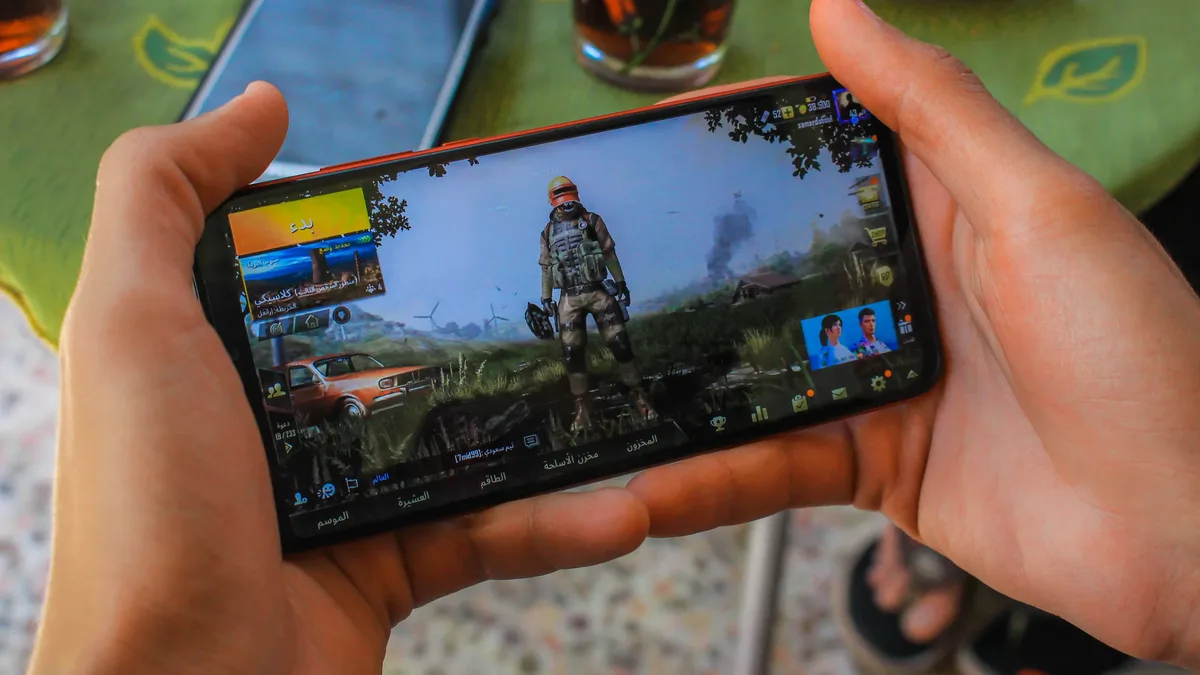
Turkey's video games market is a global leader in mobile, particularly for hybridcasual and puzzle titles, and is supported by government policy. The market is healthy and dominated by mobile games.
Akin Babayigit, managing director of Arcadia Gaming Partners, calls Turkey undoubtedly the capital of the world as far as mobile games are concerned. He cites special know-how in casual games, deep expertise in user acquisition and performance marketing, and an unmatched work ethic as reasons Turkish developers consistently win in the competitive mobile space.
Consolidation and Maturation
The market has entered a truly exciting era of consolidation and maturation, says Bugra Koc, general manager of Zynga Türkiye’s Casual Cards studio. The scene has moved beyond hypercasual experimentation and now buzzes with elite operational efficiency, advanced lifetime value modelling, and data-driven product management. Koc states that Istanbul's pace and dynamism now compete with London and San Francisco in mobile game execution, with studios mastering complex live operations and user acquisition systems.
A Self-Sustaining Ecosystem
One key strength is a self-sustaining investment ecosystem. Tuğbek Ölek, head of trade body TOGED’s advisory board, points to local venture capital funds like Laton Games and e2vc, which are partly backed by founders who exited companies after 2018. This means growth is now driven by local capital rather than depending on global sources. Koc adds that the industry benefits from secondary and tertiary reinvestment cycles, where veterans from major exits like Peak and Gram are launching new ventures or managing local micro-VCs, providing early-stage teams with both funding and important knowledge.
Ölek highlights a reliable alumni culture as a driving force. Every few years a new generation of alumni spins out of the previous generation’s successful studios and builds their own, he says. This cycle is supported by deep know-how in user acquisition, quick development funnels, and thousands of new people joining the industry annually.
Mobile Dominance and PC Potential
The strongest opportunity in Turkey remains mobile, with established studios like Dream Games, Peak, Rollic, and Gram, the latter three were acquired by Zynga for billions of dollars combined. A new wave includes developers like Grand Games and Loom Games. Loom's rapid rise was fueled by its hit game Pixel Flow!, which led to a Scopely acquisition valuing the company at over $1 billion.
Koc identifies the most thrilling mobile opportunity as Turkey's ability to effectively scale the hybridcasual model, blending cost-efficient hypercasual hooks with intricate monetisation strategies. While mobile dominates, Ölek sees huge potential on PC, with legacy studios like TaleWorlds (Mount & Blade) and newer developers like Curve Animation (Liar’s Bar) and Nokta (Supermarket Simulator). He expects party and simulation games to carry PC studios to maturity, similar to how hypercasual did for mobile, but questions whether the PC side will diversify beyond a few genres.
Challenges and Risks
Despite success, the industry faces challenges due to heavy concentration in specific genres. We have all our eggs in a few baskets, Ölek warns, citing puzzle games on mobile and simulation and party games on Steam. A downturn in these genres could tip the industry into recession, as happened when hypercasual studios were hit by Apple's IDFA changes. Koc echoes this, noting a dependence on specific player behaviour frameworks makes the industry vulnerable to shifts in global trends or store algorithms.
Privacy legislation changes have also made user acquisition more challenging and expensive. Koc explains that scaling a game globally now requires substantial early investment, and mid-sized studios risk exhausting capital if they cannot achieve rapid scale. Also, the industry relies heavily on government support. Studios are largely tax-exempt with strong incentives. Ölek says this support is the best in the world but now falls short due to the sector's rapid growth, and losing it would make things difficult fast.
The talent pool remains a key asset. Babayigit claims the talent density here is higher than in any other country he knows in the world. Koc adds that local teams are lean and efficient, with a 20-person team in Istanbul capable of remarkable success.